Online pokies have redefined how Australians interact with risk in digital gaming spaces. The seamless transition from traditional slot machines to immersive online interfaces has amplified the psychological factors influencing risk-taking. From the moment a player logs in to online pokies, every design choice—auditory, visual, and interactive—plays a role in shaping their perception of risk and reward. The virtual nature of these experiences, coupled with advanced personalization and social features, prompts players to assess risk in ways that often differ from in-person gaming environments.
Introduction to Online Pokies and Digital Risk Perception

The shift from physical pokie machines in pubs and clubs to online pokies platforms has fundamentally altered how risk is perceived and managed. In digital gaming environments, players encounter a carefully orchestrated blend of cues designed to evoke emotion, anticipation, and sometimes a false sense of security. The lack of physical cash and the anonymity of digital play further distance players from the tangible consequences of their choices. As a result, attitudes toward risk in online pokies are often shaped by subtle psychological mechanisms embedded within the platform itself rather than direct experience with loss or gain.
Sensory Design Elements and Their Influence on Player Decision Making
Online pokies are engineered to capture and steer player attention through a symphony of sound effects, vibrant visuals, and meticulously crafted animations. For example, the celebratory chimes after even a minor win can trigger dopamine release, making the experience feel more rewarding than the actual payout. Animated coin showers and flashing lights simulate the excitement of a casino floor, even when the player is alone at home.
These sensory cues do more than entertain—they manipulate emotional states and can distort the perception of risk. Players may feel emboldened to continue playing after a “near miss” because the game responds with dramatic visuals, suggesting proximity to a win. The result is a heightened willingness to take risks, often without a full appreciation of the statistical odds at play.
Randomness, Probability, and the Illusion of Control in Online Pokies
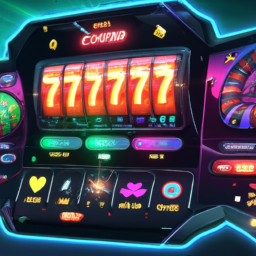
At the heart of every online pokies game lies a random number generator (RNG), ensuring outcomes are entirely unpredictable. However, the human brain is wired to seek patterns, even in random sequences. Players frequently interpret streaks, near misses, or clusters of symbols as meaningful, fostering an illusion of control over inherently random events.
This misinterpretation is amplified by game features such as “hold” or “nudge” options, which make it seem as though skill or timing can influence the outcome. In reality, each spin is independent, but the layered presentation of symbols and sounds convinces many players that their actions can tilt the odds, increasing their risk appetite despite the mathematical reality.
The Role of Personalization and Adaptive Gameplay in Shaping Risk Appetite
Modern online pokies platforms leverage player data to personalise the gaming experience. Tailored bonuses, customisable themes, and adaptive difficulty levels respond to individual play styles and preferences. For instance, a player who frequently bets high may be offered exclusive high-stakes bonus rounds or VIP rewards to maintain engagement.
This adaptive approach can subtly shift a player’s threshold for risk. When a platform remembers a user’s wagering habits and offers incentives accordingly, it encourages escalation—players may feel more confident or even pressured to take bigger risks, believing the system is rewarding their previous choices. Over time, these personalised nudges can normalise higher risk-taking as part of the player’s routine.
Social Presence and Community Features in Online Pokies Platforms
Online pokies sites increasingly incorporate social features such as chat rooms, live tournaments, and public leaderboards. While these elements foster a sense of community, they also introduce new dynamics into risk perception. Peer comparison becomes inevitable when leaderboard rankings and shared jackpot wins are prominently displayed.
Players may take greater risks to keep up with or surpass others, especially during group events or challenges. Social validation—receiving praise for bold wagers or sharing big wins—can amplify risk-taking beyond what players might attempt in isolation. The digital crowd, though intangible, exerts a powerful influence on individual behaviour within these platforms.
Monetary Value, Virtual Credits, and the Abstraction of Loss
One of the most significant psychological shifts in online pokies comes from the conversion of real money into virtual credits or tokens. This abstraction makes losses feel less immediate and diminishes the emotional impact of spending. For example, losing 500 credits in a session rarely feels the same as losing $50, even though the financial consequence is identical.
| Payment Type | Player Perception | Risk Response |
|---|---|---|
| Real Cash | Tangible, immediate | More cautious, lower stakes |
| Virtual Credits | Abstract, game-like | Higher risk-taking, longer play |
This detachment from physical money is further reinforced by the use of bonuses and free spins. Players are more likely to experiment with risky bets when using “house money,” as the psychological barrier to loss is reduced.
Time Distortion and Session Length in Digital Gaming Environments
Online pokies are designed to encourage sustained engagement. Features like autoplay, rapid spin cycles, and minimal downtime between rounds create a seamless flow that distorts a player’s perception of time. Without the ambient cues of a physical venue—closing hours, friends leaving, or the need to move—players can easily lose track of how long they’ve been playing.
This time distortion leads to longer sessions and, consequently, greater exposure to risk. Persistent play mechanics, such as unlocking new levels or chasing progressive jackpots, entice players to stay engaged long after their initial intention. The result is a feedback loop: the longer the session, the more likely a player is to increase bet sizes or chase losses, compounding risk.
Regulatory Context and Responsible Gaming Frameworks in Online Pokies
Australian regulations play a crucial role in shaping the risk landscape for online pokies. Licensed platforms are required to implement robust responsible gaming features, including age verification, self-exclusion tools, deposit limits, and reality checks. These measures are designed to counterbalance the psychological drivers that encourage excessive risk-taking.
However, the effectiveness of these frameworks depends on both enforcement and player engagement. Some users may bypass limits or play on offshore sites with fewer protections. For those who do use available tools, features like “cool-off” periods and loss limits can provide essential guardrails, nudging players toward more mindful risk assessment. The interplay between user autonomy and regulatory structure continues to evolve as the industry grows.
Reflecting on the Future of Risk Perception in Online Pokies

As technology advances, so too will the complexity of psychological strategies embedded in online pokies. The integration of artificial intelligence, virtual reality, and more sophisticated personalization will likely deepen the ways games shape player risk perception. Meanwhile, increased scrutiny from regulators and player advocacy groups is driving innovations in responsible gaming tools and transparency.
The challenge ahead will be balancing immersive, engaging gameplay with the need for ethical design that supports healthy risk attitudes. For Australian players, the evolving landscape promises both exciting new experiences and a greater emphasis on informed, responsible play within digital gaming environments.