Okay, so check this out—I’ve been poking around OKX for years now. Wow! It’s one of those platforms that, on first glance, looks clean and fast. My instinct said “smooth experience,” and for the most part, that’s true. But something felt off about a few details, especially when you move from spot wallets to derivatives and futures. Hmm… let me walk you through what I actually use, what bugs me, and how to get through the login friction without losing your cool.
First impressions matter. Seriously? Yes. The dashboard loads quick. But once you dive into wallet management and transferring funds to futures margin, there’s a choreography that isn’t obvious until you’ve tripped on it a couple times. Initially I thought OKX made everything intuitive, but then realized that trade flows and security prompts sometimes conflict—on one hand security is tight, which is good; though actually, it creates extra micro-frictions when you’re trying to arbitrage or adjust a margin position fast. My gut says they prefer safety over speed, and that’s a design choice you should know going in.
Let me be blunt: if you trade futures, you need to plan your transfers. I once had a short squeeze and needed margin fast—ugh, not fun. I clicked through wallet tabs, copied deposit addresses, then stared at pending confirmations… long enough to regret not keeping a buffer on the futures wallet. Something I do now, and recommend: keep a small ready balance on the futures side so you can handle volatility without having to wait for cross-wallet transfers. Also, use the transfer tool inside the account rather than an external deposit; it’s instant and avoids chain wait times.
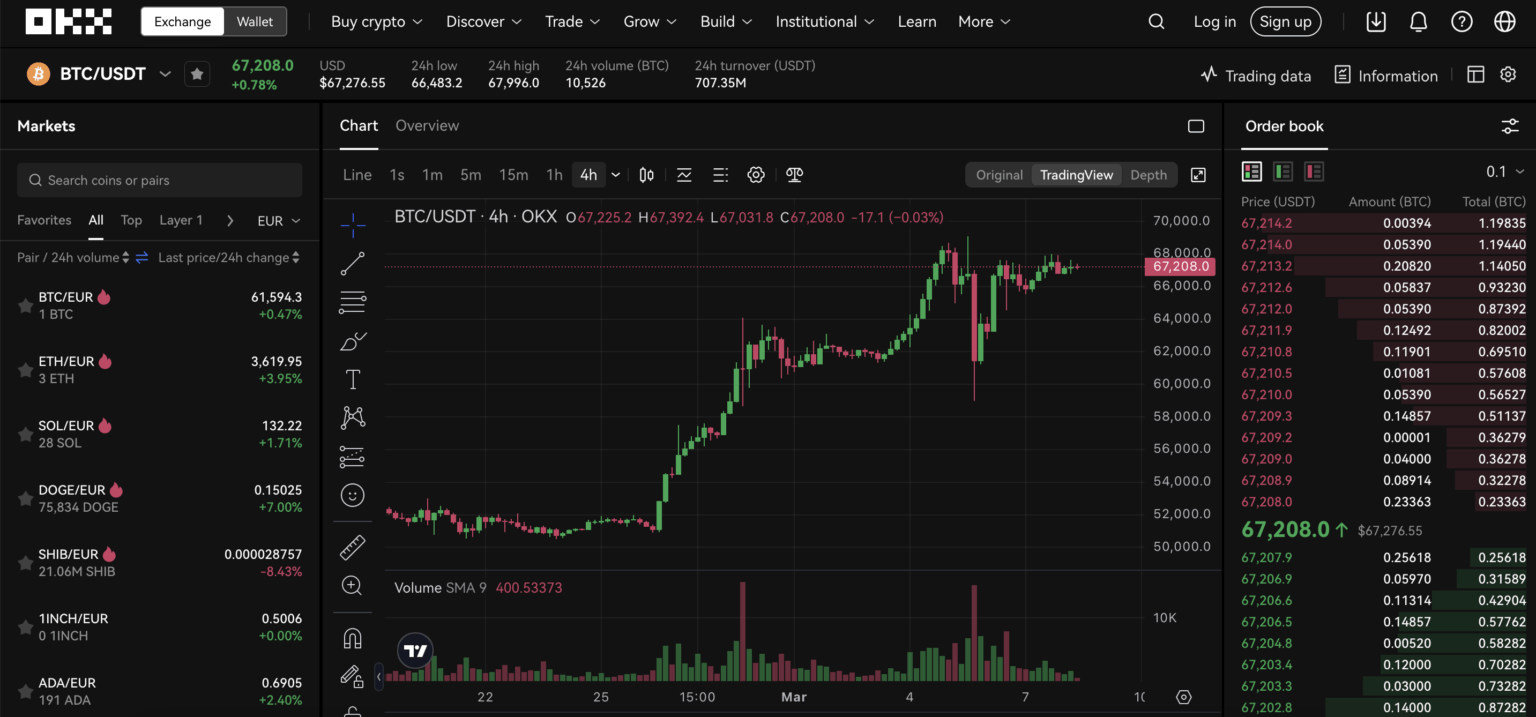
OKX Wallet: the basics and a few pro tips
Here’s the thing. The OKX wallet ecosystem is layered: spot wallet, funding wallet, and derivatives/futures wallet, plus the on-chain OKX Wallet mobile app. That split is useful, but it’s also the reason you’ll sometimes feel like you have multiple accounts. I’ll be honest—this part bugs me a bit because it invites small errors when you deposit. Check your destination wallet. Seriously. Double-check every deposit address and network. Mistakes are often irreversible.
For day-to-day safety: enable 2FA, add anti-phishing phrases, and whitelist IPs if you can. My approach is conservative: hardware wallet for long-term holdings, OKX hot wallet for trading. On the mobile OKX Wallet app, be careful when connecting to DApps—permissions creep can be subtle. Oh, and by the way… keep seed phrases offline. Paper, or a stamped steel plate. Not your notes app. Not a screenshot.
One workflow I recommend: transfer from spot to funding for fiat on/off ramps, and transfer from funding to futures when you need leverage. That intermediate step is sometimes faster depending on the token and network congestion. Initially I thought skipping the funding wallet would save time, but actually it cost me a trade once when a chain was congested and gas prices spiked.
OKX Futures: leverage, risk, and how to avoid dumb mistakes
Futures are seductive. They amplify wins and losses. I’m biased, but I prefer conservative leverage—2x to 5x for most trades. Why? Because liquidation mechanics are… succinctly brutal. You can be right about direction and still get eaten by leverage and funding fees. Something like that happened to me early on; decided to never let the position size alone overwhelm my risk plan again.
Risk checklist before opening a futures trade: set a stop, calculate notional exposure, know funding rate cycles, and ensure margin balance is adequate. On OKX, the UI gives isolation vs cross margin options. Each has tradeoffs. Cross margin is forgiving for occasional drawdowns, but it puts more of your wallet at risk. Isolated keeps losses local but requires you to be nimble. On paper it’s simple—though in the heat of markets, your fingers don’t always cooperate.
Funding rates can change fast. Also, keep an eye on maintenance margin thresholds. Pro tip: if you see a funding rate swing big, consider reducing leverage or hedging; sometimes moving to inverse-perp vs USDT-perp (depending on the coin) can change your exposure dynamics.
Logging in: practical steps and a sanity checklist
Login friction kills momentum. So here’s how I approach logging in without drama. First, bookmark the official login path and avoid search-engine link hopping—phishers exist and they’re crafty. For a quick and reliable route, use your saved bookmark or the official mobile app. If you prefer a web route, you can use this link for an easy access point: okx sign in. Seriously, save it.
When you sign in: have your 2FA ready. If you use SMS 2FA, realize it’s convenient but slightly weaker than an authenticator app. I use an app-based 2FA and a hardware key when possible (U2F/WebAuthn). Initially I thought SMS was fine, but after a weird SIM incident I moved away from it. Actually, wait—let me rephrase that: if you rely on SMS, add extra recovery steps, because losing your SIM or number can be a real pain.
Account recovery: set up multiple verification methods if OKX lets you. Keep screenshots of QR codes for authenticator backups in a secure offline place, and write down recovery codes. Not fancy, but it works. If you ever need support, be patient. Exchange support teams are swamped sometimes. My trick: include clear timestamps and transaction IDs in your ticket to speed things up—help them help you.
FAQ — quick answers traders actually use
Can I move funds instantly between my OKX wallets?
Short answer: internal transfers are usually instant. Longer answer: transfers between your own internal wallets (spot → futures, etc.) are typically immediate and fee-free because they’re ledger updates, not on-chain transactions. External deposits depend on chain confirmations and can take longer.
Are OKX futures safe to use?
They’re safe in the sense of platform integrity—OKX is reputable—but futures are high-risk by design. Use low leverage, practice good position-sizing, and keep a buffer in your margin wallet. I’m not 100% sure about every edge-case, but the platform’s protections are solid overall.
What’s the fastest way to log in securely?
Bookmark or use the official app link, enable app-based 2FA, and consider U2F keys for critical accounts. If you ever have login trouble, include TX IDs and clear screenshots when contacting support—simple but effective.
Alright—so where does that leave you? Curious, cautious, and somewhat excited, I’d hope. My emotional arc here went from optimistic to mildly frustrated and then to pragmatic. There’s a rhythm to trading on OKX: respect the wallets, respect leverage, and get your login hygiene right. Keep small balances for fast reactions. Oh, and by the way… don’t let the UI lull you into overconfidence. The market will punish complacency.
One last thing: I’m biased toward conservative risk management because I’ve seen leverage wipe accounts. But I also love that OKX provides a robust suite of tools for serious traders. If you trade futures, practice in small sizes first, use the platform’s demo features if available, and always, always double-check your wallets before sending funds. Somethin’ simple like that saved me more than once—and could save you too.